
Requester
Request-id : req_3f8a...

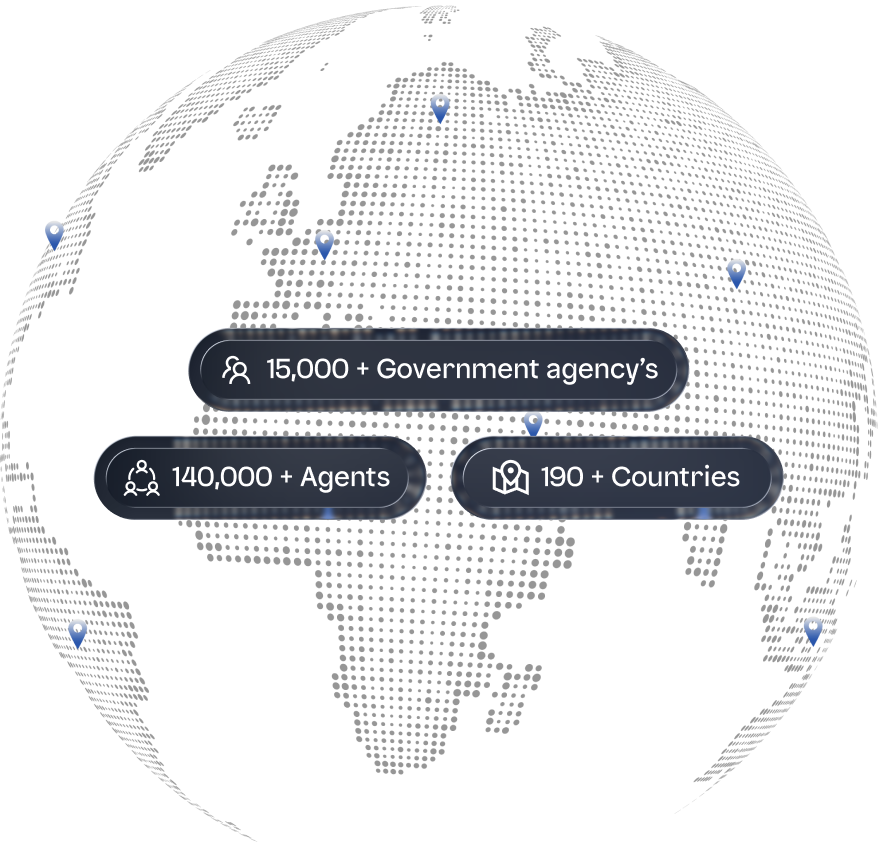
Kodex verifies every requester against a network of 15,000 government agencies and 150,000+ vetted agents. Continuously, before they reach your team.
.png)
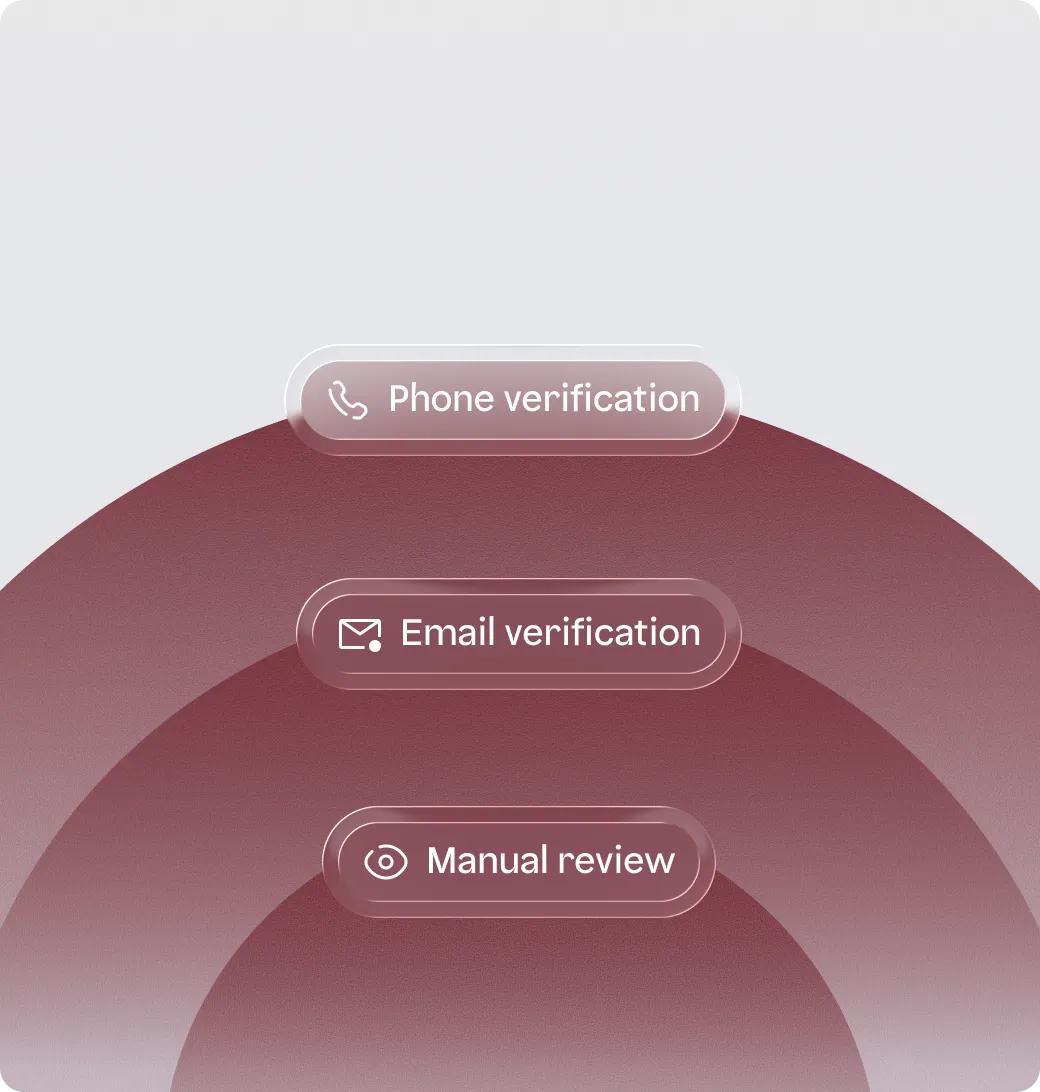
Most companies still confirm an agent's identity with a phone call. That was never built for today's volume, or today's threats.
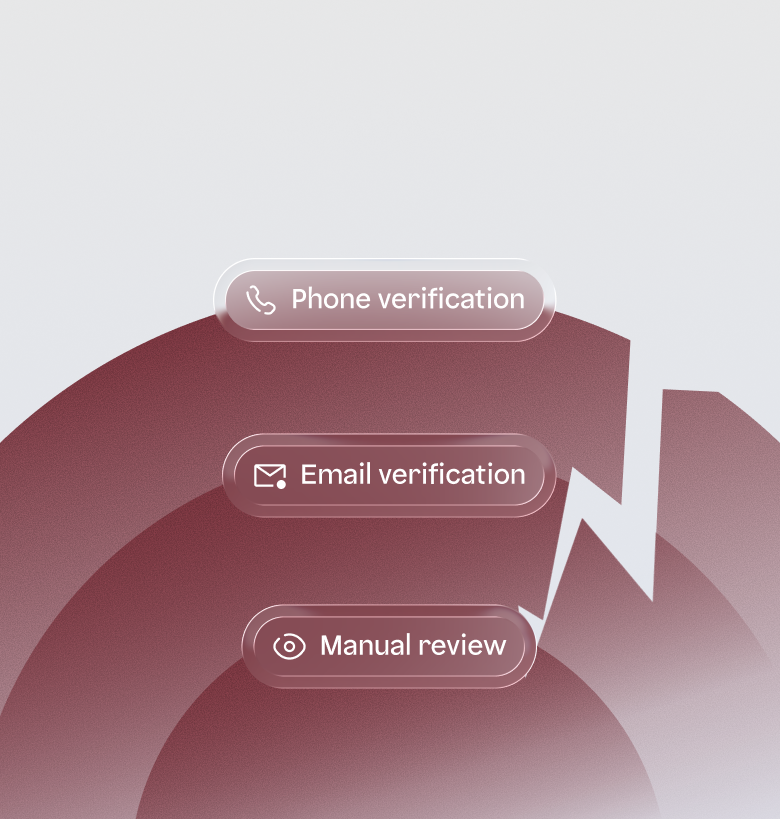
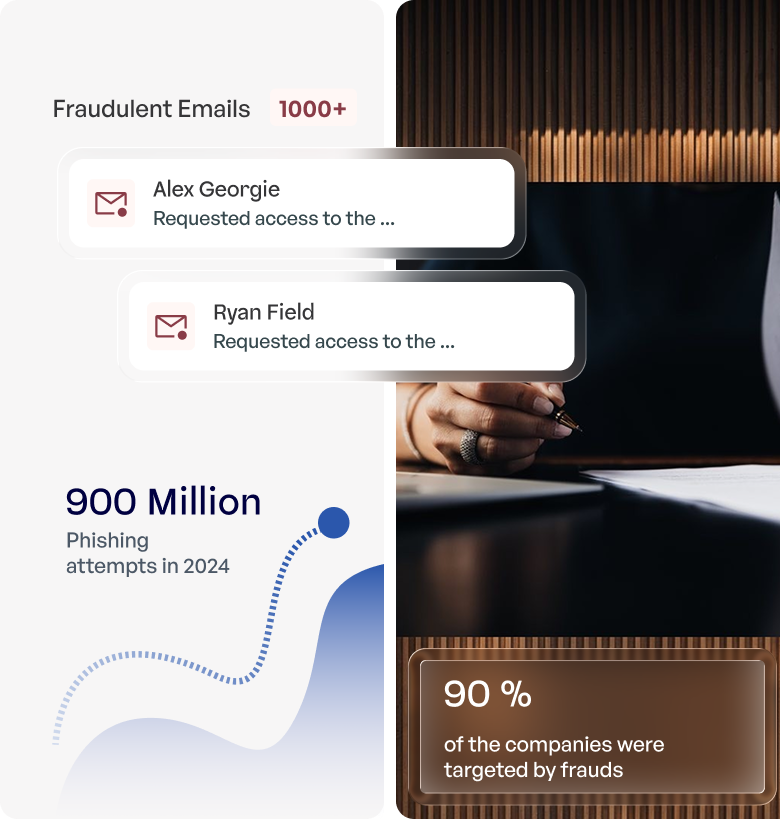
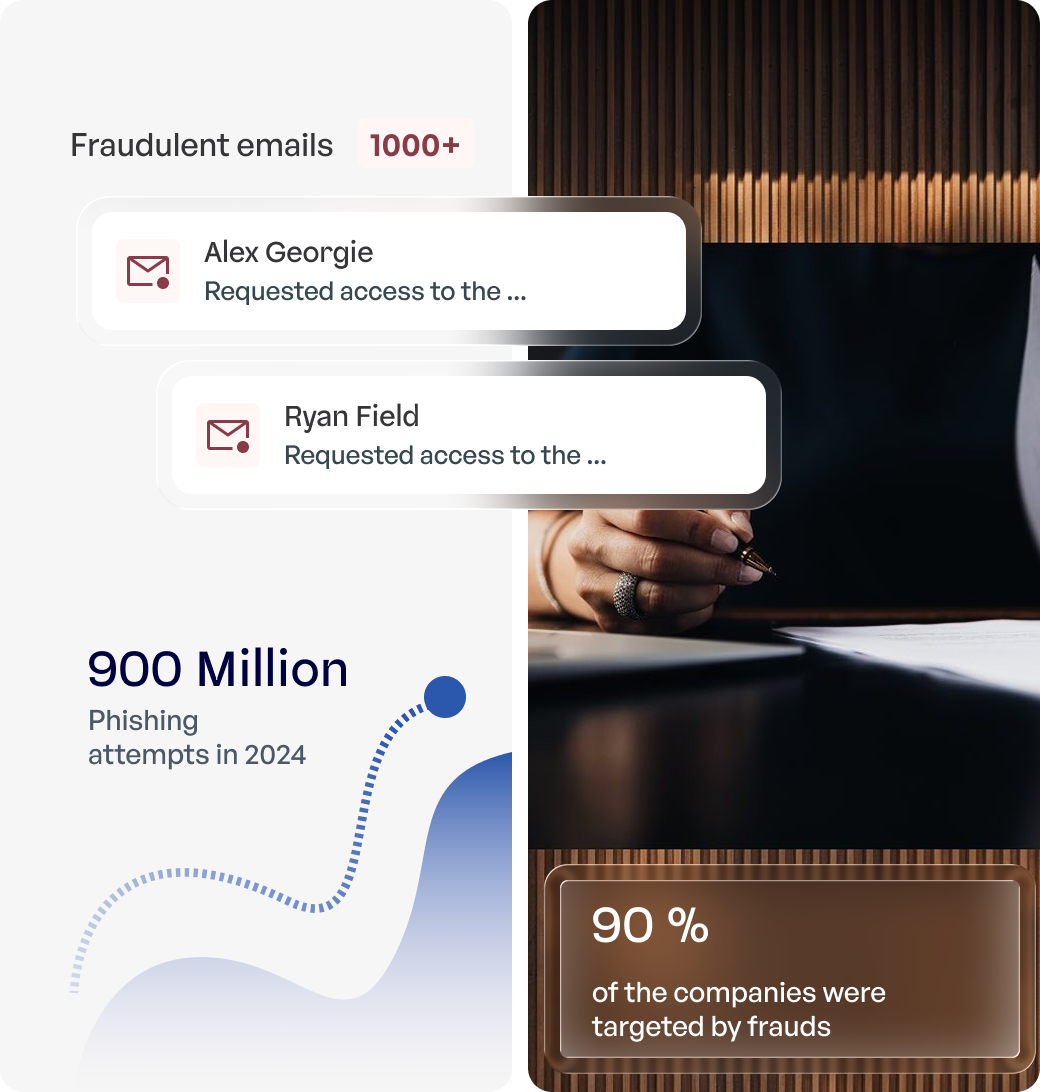
In 2024 the FBI warned US companies about fraudulent emergency data requests. Compromised police emails are sold on dark web forums. Spoofed agency domains follow.
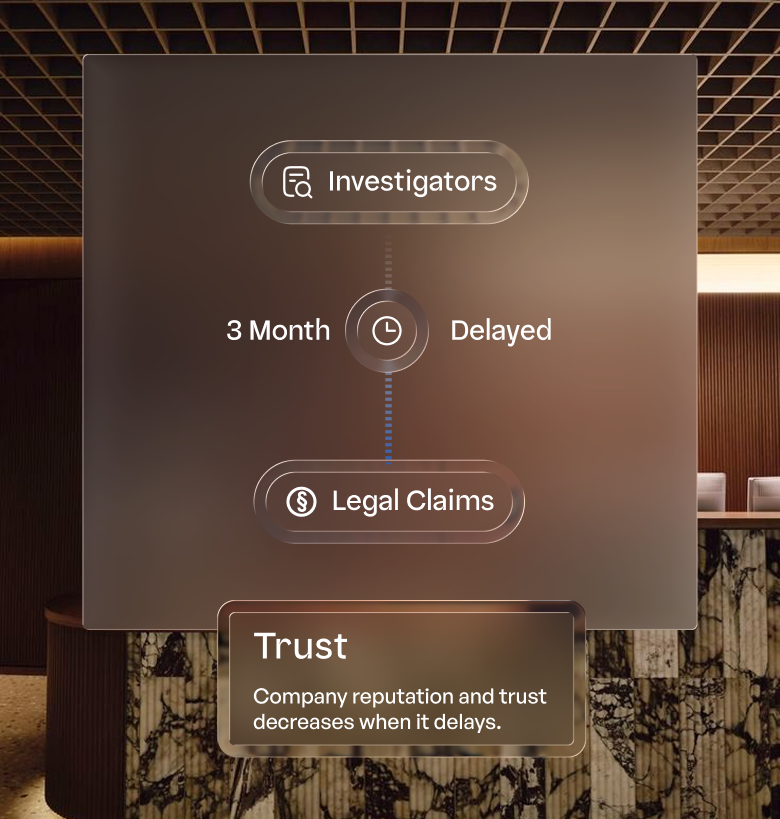
Investigators lose time. Companies carry regulatory and reputational risk. And the people whose data sits in the middle get no assurance at all.
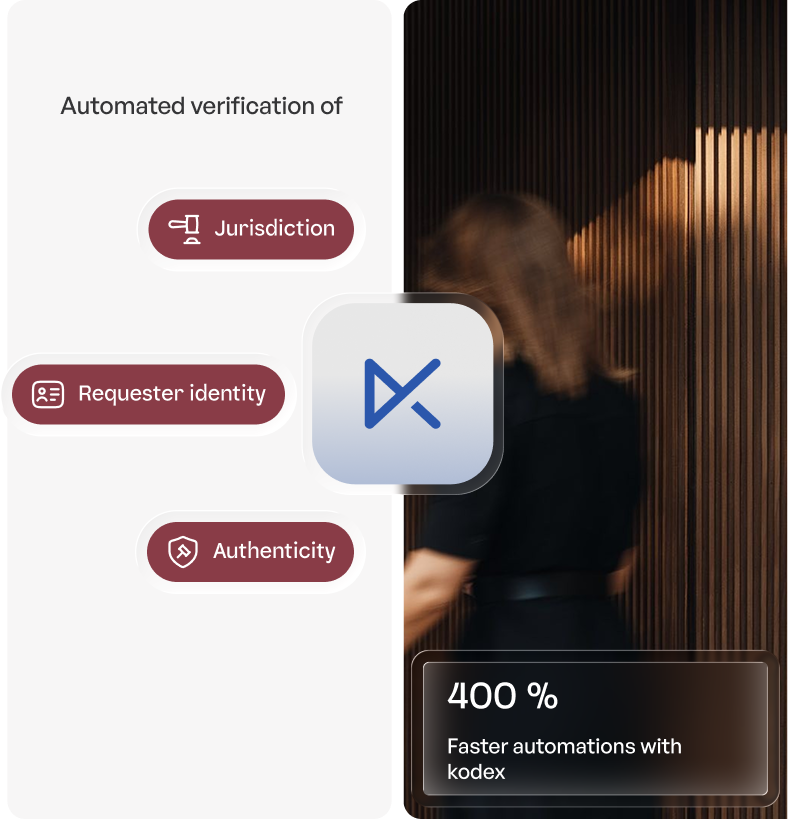
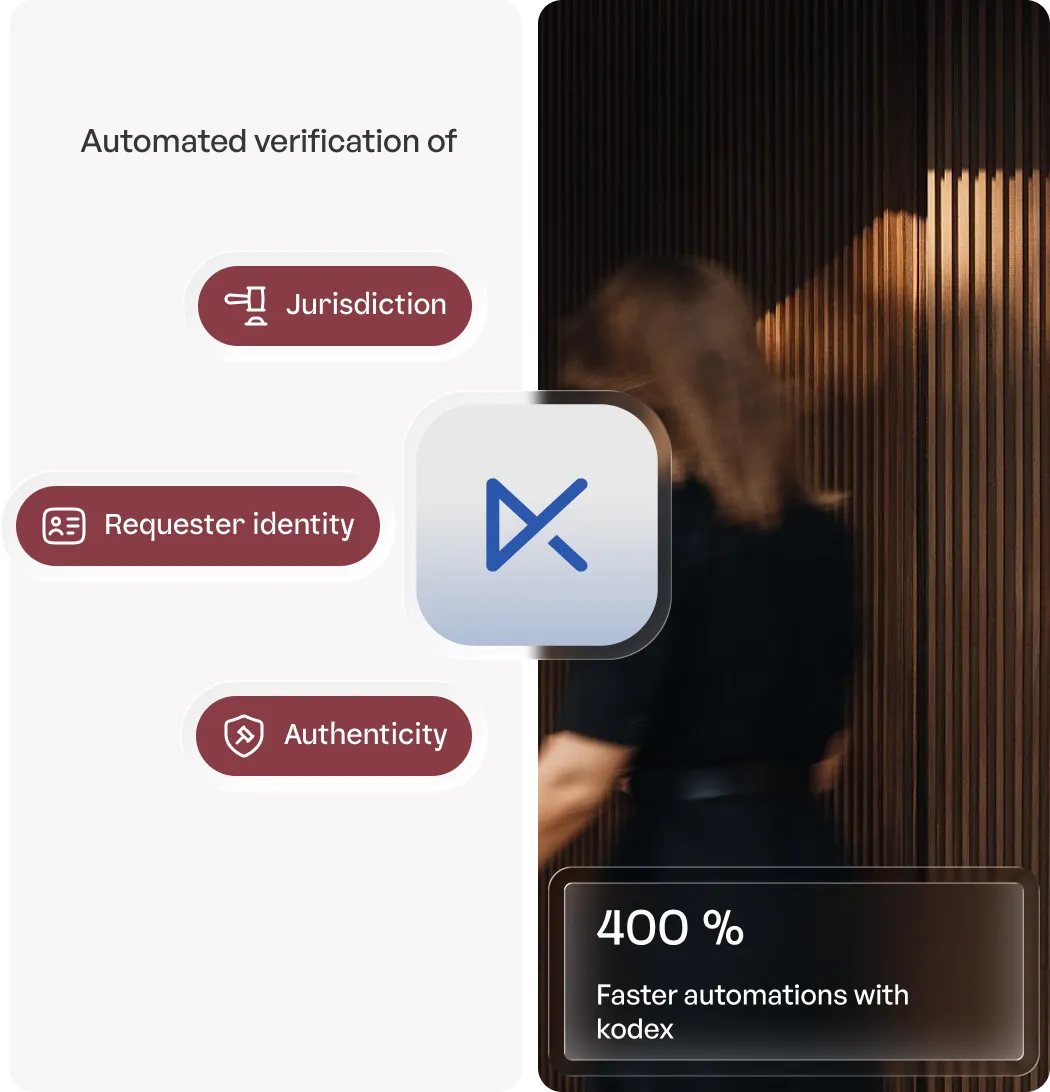
Kodex replaces manual checks with real-time verification of identity, jurisdiction, and authenticity. Investigators move faster, companies carry less risk, and the system earns back the confidence the old way lost.
Phishing attempts in 2024

of companies were targeted by fraud
.png)
Automated verification of


400 %
Faster verification with Kodex

Identity assurance is a measured discipline. NIST publishes the standards the rest of the industry references. Kodex meets those standards and adds what NIST does not define.
NIST IAL2 for remote proofing, with IAL3-grade controls on the highest-risk reviews. Agency affiliation, credential validation, evidence collection, and trained human review.

NIST AAL2 enforcement, with phishing-resistant options available.
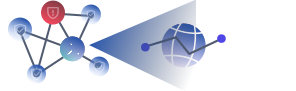
Cross-customer signal correlation across 15,000 agencies and 150,000+ investigators. Detection at one company becomes protection for all of them.
Dark web monitoring, stealer log indexing, threat actor tracking, forged document detection. Built for the law enforcement request channel and run continuously.


Every requester is checked against the Kodex Global Network before they get in, and the check never really ends. Verification on Kodex happens in four places, each one closing a gap the others can't see.
Agency affiliation, credentials, device, network signal. Clean applicants clear automatically. The rest go to the Kodex Threat Intelligence team for human review. No one gets on the network on the strength of an email address alone.
Verification doesn't stop at sign-up. Every active agent is re-checked against sign-in metadata, behavioral patterns, and credential state in the wild. A credential compromised on Tuesday is flagged before it gets used on Wednesday.

 Kodex database
{ "email": "agent.smith@fbi.gov", } { "event": "agent_suspended", "agent_id": "agt_8a2f4b1c", "previous_status": "ACTIVE", "current_status": "SUSPENDED", "reason": "credential_compromised", "timestamp": "2026-05-21T14:32:00Z" }
Every request is re-verified against the live state of the requester at the moment of submission. Not the state at sign-up. Not the state last week. This is what closes the gap on procedurally correct requests sent from compromised accounts.
Signals from one customer correlate against signals from every other customer. A device fingerprint flagged at a crypto exchange shows up the next day at a telco. One company sees what shows up at its door. The network sees the actor.
Verification is built on six categories of signal. The engine reads all of them, every time.
Who they say they are.
Where they're coming in from.
What they do once they're in.
Whether the domain itself is real.
What the rest of the internet says about them.
What they look like across every other door.
A few of the workflows the engine runs on day one.
Block fraudulent emergency data requests before a human reviewer ever sees them.
Re-verify every requester at the moment of submission, not just at sign-up.
Catch compromised credentials in your inbound channel before someone uses them.
Block fraudulent emergency data requests before a human reviewer ever sees them.
Re-verify every requester at the moment of submission, not just at sign-up.
Catch compromised credentials in your inbound channel before someone uses them.
Some want the engine; others want the engine and the team. With Verification On Demand, Kodex Threat Intelligence verifies requesters for you. Some use it to support a small team, others to replace one.
Done by the team that built the network.




Twenty minutes is enough to see what gets caught in your channel today. We'll show you what the network sees that you don't.
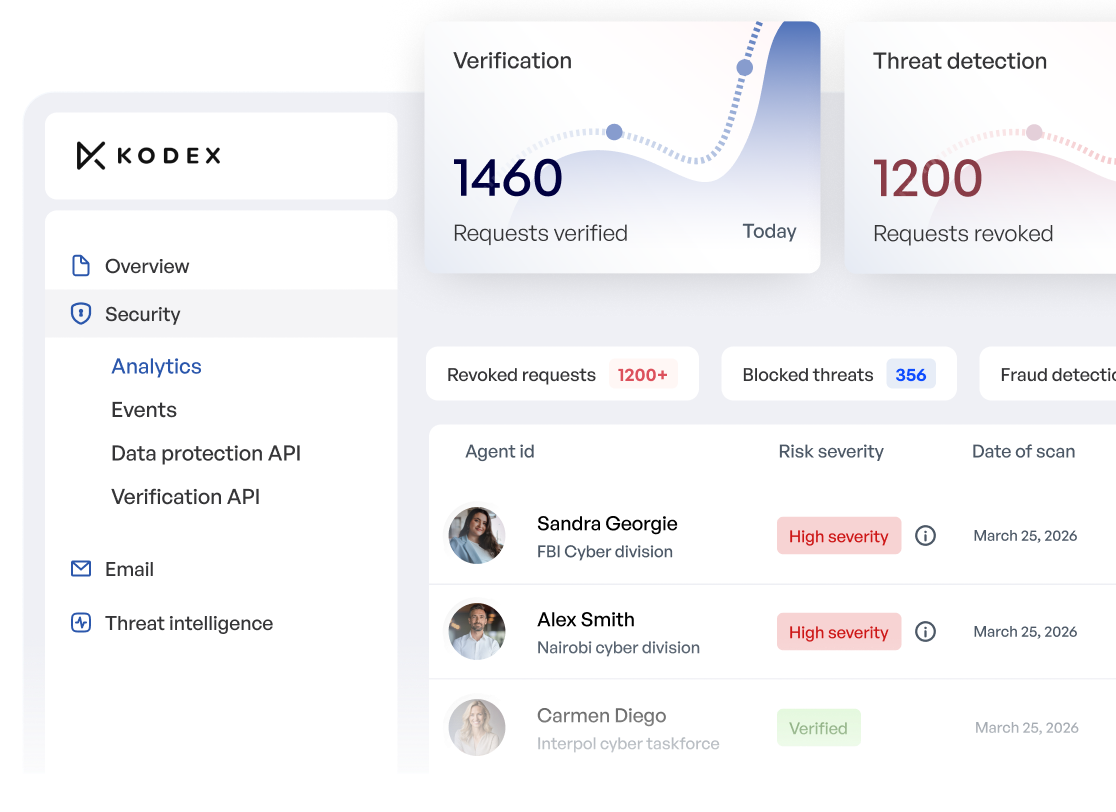


Identity proofing to NIST IAL2, authentication to NIST AAL2, threat intelligence against the law enforcement request channel, and cross-customer signal correlation across the network. Most requesters clear automatically. The high-risk ones go to the Kodex Threat Intelligence team.
They don't reach your team. The request is blocked at the gate and logged for your audit trail. Your reviewers only see requests from verified agents.
Yes. Verification can run as a gate on your Kodex portal, as a one-tap Sign in with Kodex button on your own legal center, or as a Verification API call from your existing systems. The engine is the same in all three.
A domain check tells you the email looks legitimate. An agency lookup tells you the agency is real. Neither tells you the person sending the request is who they claim to be, or that their credentials haven't been compromised since the last time you checked. Kodex verifies the requester, not just the envelope.
Verification runs in the same window the request takes to submit. Legitimate requests clear in seconds. The fraudulent ones pay the cost of being slow.
No. Most customers run on the engine alone. If you want the team that built the engine to handle the highest-risk reviews on your behalf, that's Verification On Demand.
Verification is the layer in front of whatever you already have. You don't have to replace your intake, your case management, or your review process to add it.



We use cookies to keep the site running, understand how it's used, and measure our marketing. You choose what to allow — read more in our Privacy Policy.

 Kodex network


